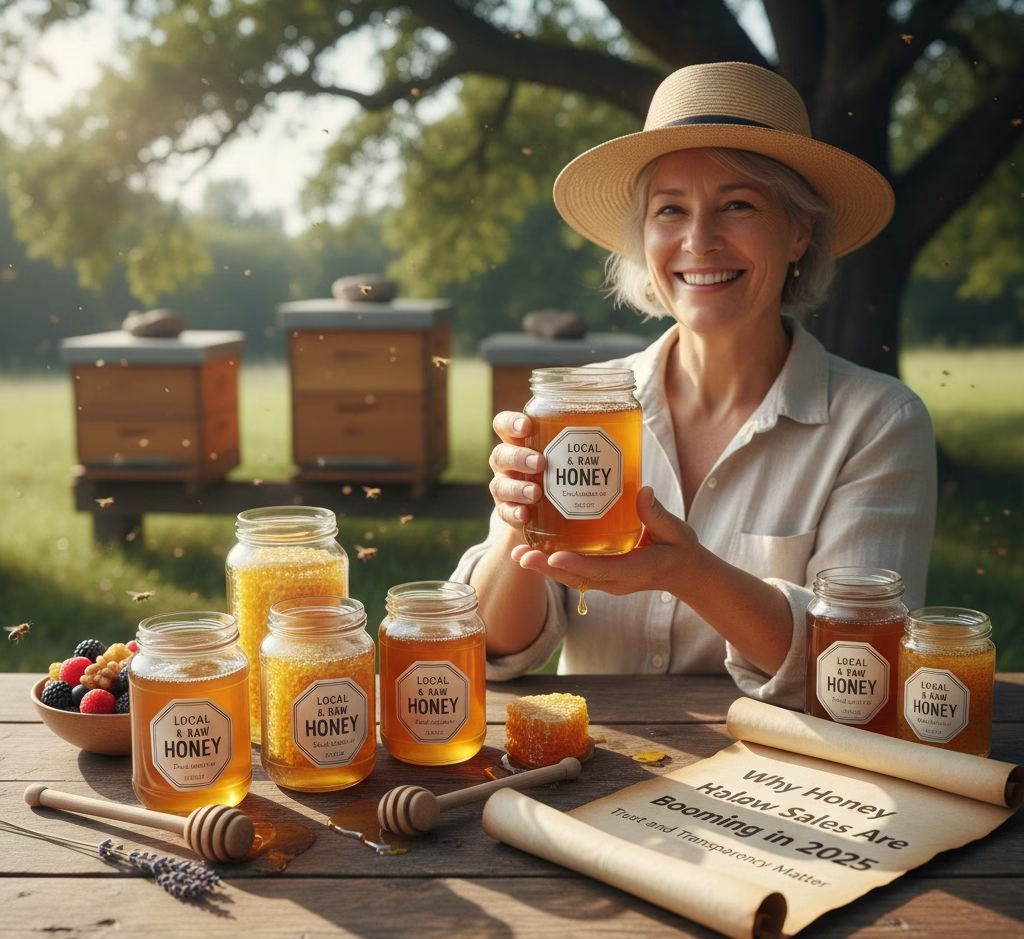
A Growing Shift Toward Raw and Local Honey
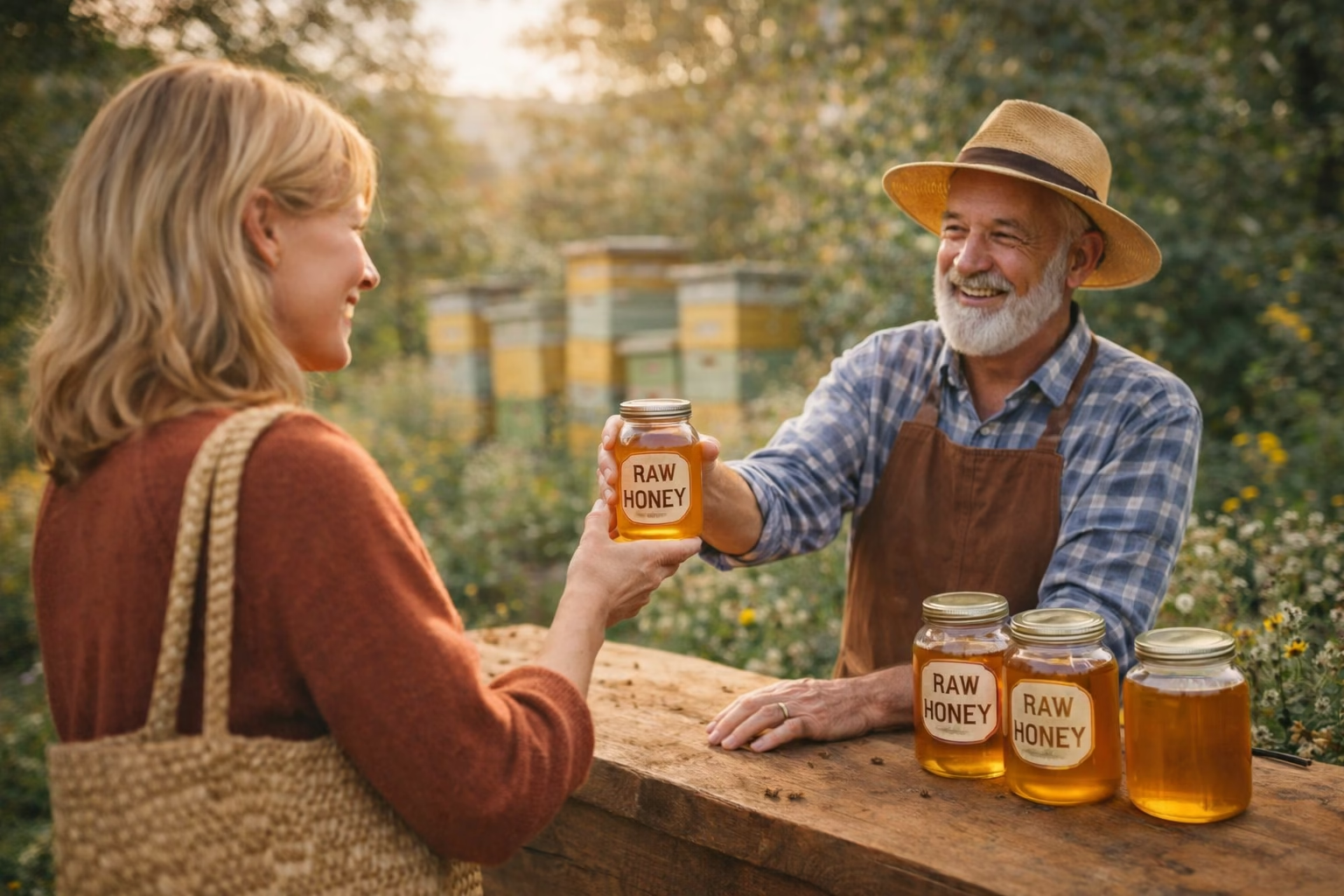
The honey world is going through a quiet but powerful shift. More people than ever are choosing raw and local honey, and this growing demand is slowly transforming beekeeping from a simple hobby into a very real small business opportunity. What used to be something you sold to neighbors or family is now becoming a product people actively search for, especially when they want something natural and trustworthy.
Trust and Transparency Matter to Modern Buyers
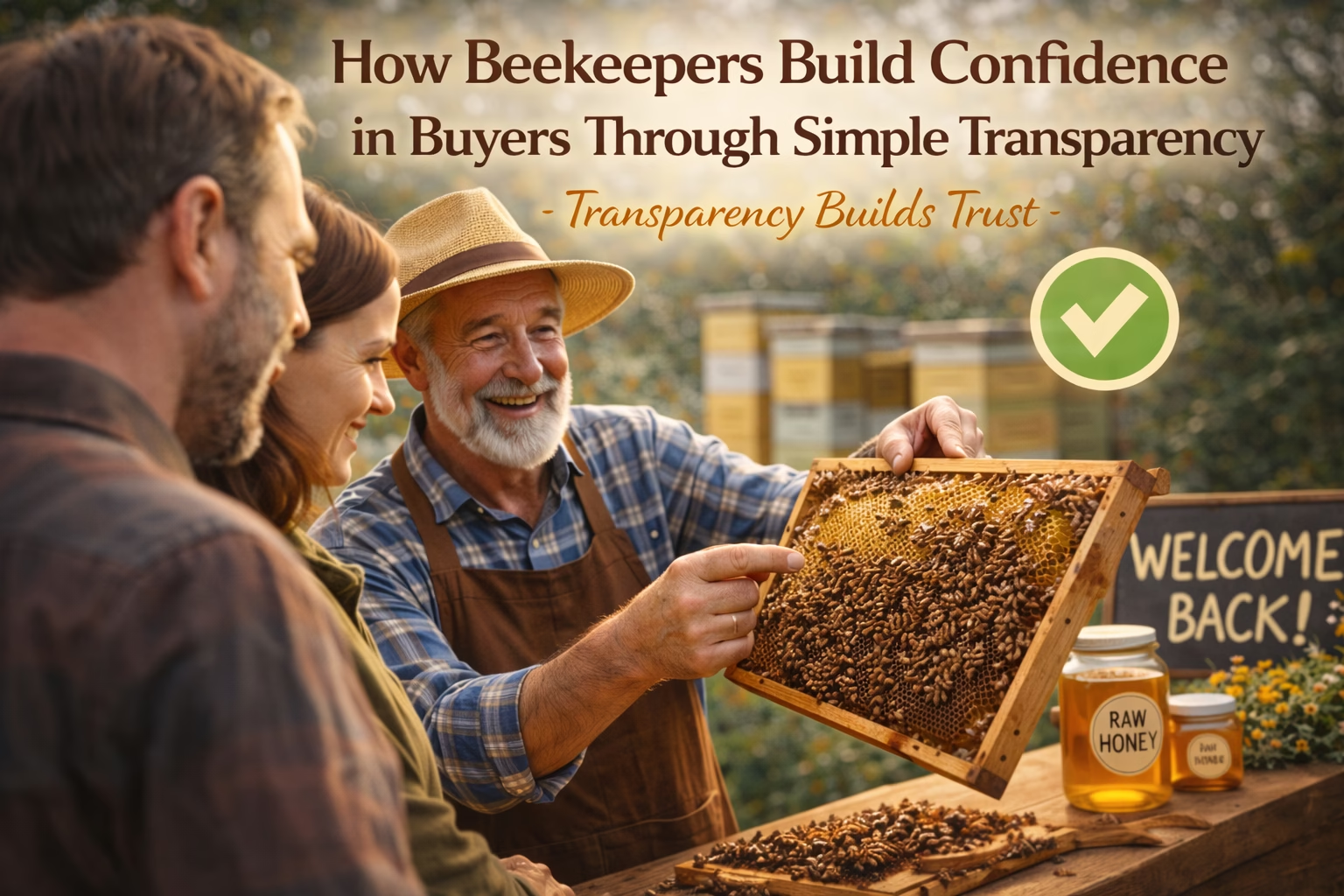
Consumers in 2025 are tired of buying food that feels processed and disconnected from real producers. They want to know where their food comes from, who made it, and how it was handled. When they buy honey directly from a beekeeper, they feel confident that it’s pure, local and authentic. That sense of trust is something commercial honey companies struggle to provide, but small beekeepers naturally do it without trying.
The Power of Storytelling in Honey Sales
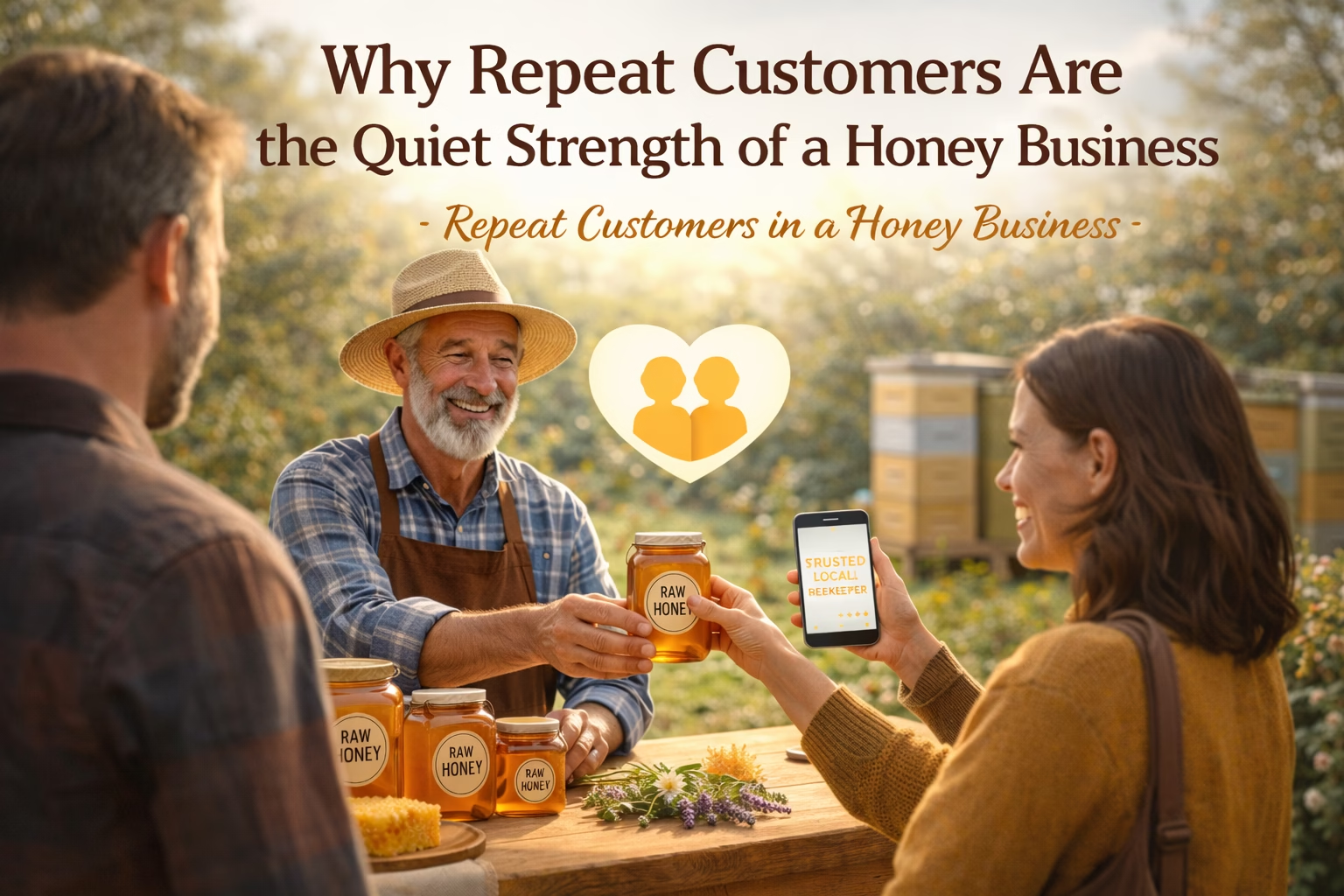
Customers today care about the story behind the honey. They want to see the beekeeper, the bees, the apiary, and the environment where the honey was made. A simple photo or short video from the hive can make people feel like they are buying something special and meaningful. This emotional connection is one of the biggest reasons why small producers are seeing a rise in loyal, repeat customers.
Why Presentation Influences Customer Decisions
The modern honey buyer also cares about presentation. A clean jar, a simple label and a natural design make a bigger difference than most beekeepers realize. Customers often decide to buy based on how the jar looks before they ever taste the honey. This doesn’t mean you need expensive branding. Even a basic, minimal design can stand out when it looks fresh and genuine.
Local Shopping Is Growing Again
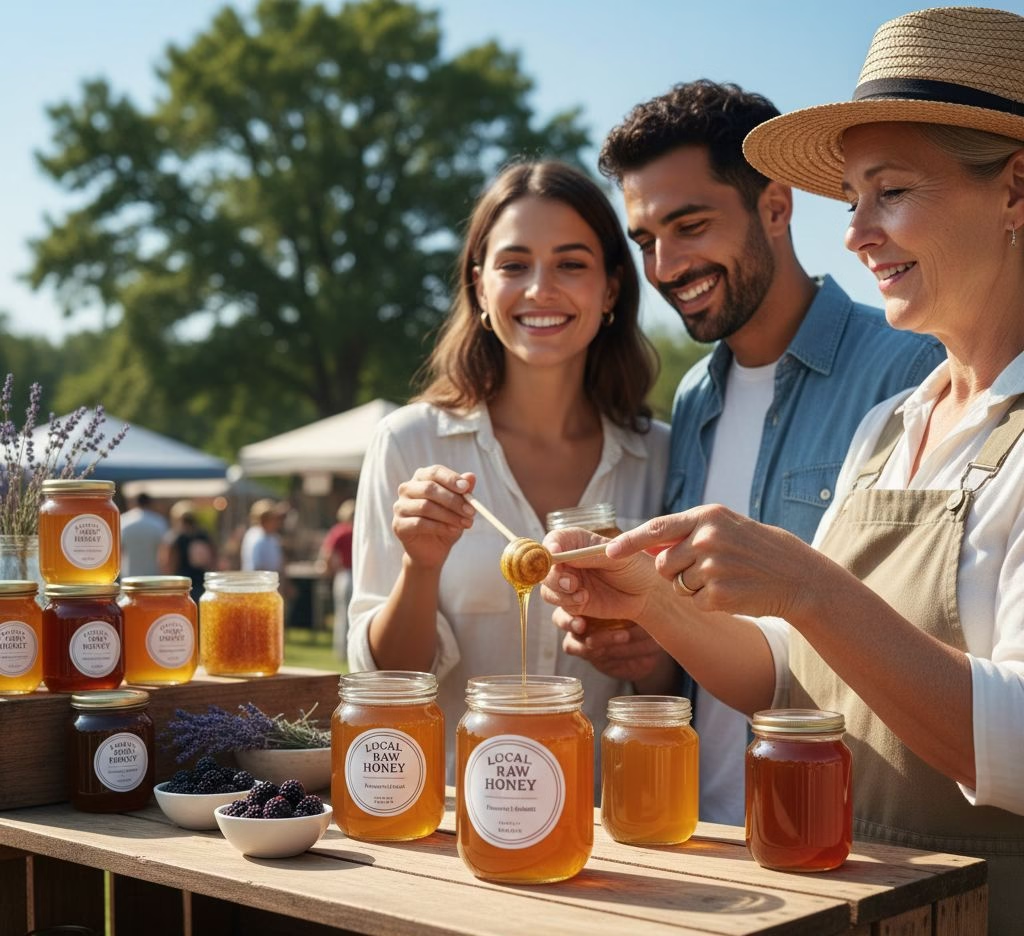
Another major change is the return of local shopping. People are supporting small producers more than ever, and honey fits perfectly into this new mindset. Farmers markets, local Facebook groups, neighborhood delivery pages and small local shops create constant opportunities for beekeepers to reach buyers who prefer to purchase from someone nearby rather than a large company.
Honey Sells All Year Long
Honey is also one of the easiest natural products to sell for a simple reason. It doesn’t spoil, people use it regularly and it fits into every season. Winter buyers look for honey to support immunity. Spring buyers use it for allergy relief. Summer buyers buy it as a gift or for desserts. Autumn buyers stock up for the colder months. It’s a product that feels right all year long, which makes it much easier to build repeat sales.
Small Beekeepers Have a Natural Advantage
Small beekeepers also have a natural advantage that often goes unnoticed. People trust a beekeeper far more than a supermarket shelf. When customers hear your story and see your jars, they feel like they are supporting a real person, not a corporation. That emotional connection creates loyalty that big brands cannot match.
The Market Is Moving in Your Favor
If you are a beekeeper wondering if your honey business can grow, the answer is almost always yes. The market is moving in your favor. People are choosing local options. Presentation is easier than ever. And even a simple social media presence can make you visible to people searching for natural products.
Growing Your Honey Business in 2025
There are deeper strategies that can help you grow faster, such as branding, pricing psychology, content marketing and scaling into wholesale markets, but those belong in a structured system like the one inside your paid guides. Even without advanced methods, understanding the current shift in customer behavior already puts you in a stronger position than many producers.
Honey is more popular, more respected and more in demand than at any time in the past decade. If you stay active, stay visible and keep sharing your story, your honey business can grow naturally and consistently throughout 2025.